

Hair Loss Medication

shutterstock 1792421062

Restore Confidence With Hair Loss Medication

Hair loss can affect confidence and appearance, but surgical treatment is not always the first step. Following a detailed assessment, medication may be prescribed to reduce shedding, slow the rate of loss, or treat affected areas directly. With the right diagnosis and plan, medical treatment can become an effective part of long-term hair restoration.

WHAT IS FUE

CONDITIONS

BENEFITS

DOCTOR

WHY CHOOSE US

PROCESS

FAQ

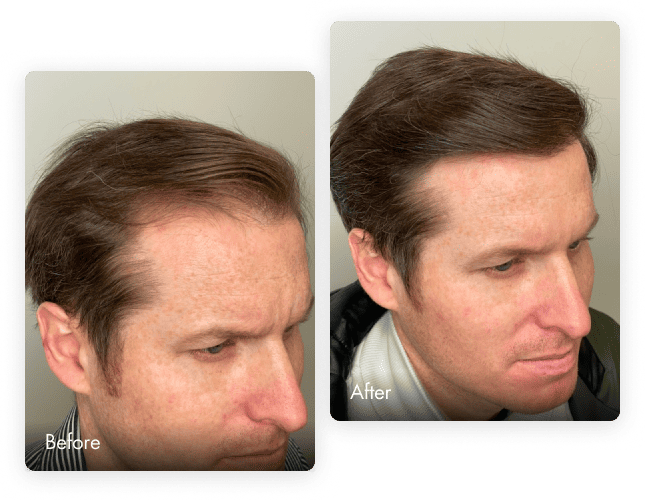
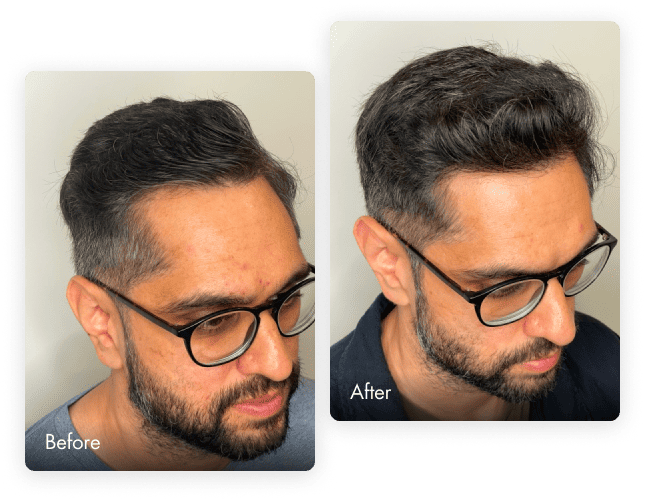
Results that Matter

The images above are displayed with the consent of the patients. The outcomes shown are only relevant for these patients and do not necessarily reflect the results other patients may experience. Our team will discuss any factors that could influence the results that you may get.

What is FUE Hair Transplant?

Rectangle 1323 (10) (1)

Follicular Unit Extraction (FUE) is a minimally invasive hair transplant surgery. Individual follicular units, containing healthy hair follicles, are extracted from the donor area (typically the back and sides of the scalp) and meticulously transplanted to the recipient area (the bald areas or thinning areas). Unlike older methods that involved removing strips of scalp (FUT), FUE leaves minimal scarring, making it a preferred choice for many patients.

Rectangle 1323 (10) (1)
Rectangle 1323 (11) (1)

What Can FUE Hair Restoration Treat?

Rectangle 1323 (11) (1)

FUE hair transplant surgery can effectively address a variety of hair loss conditions, including:

  • Male pattern baldness (androgenic alopecia)
  • Female pattern baldness
  • Receding hairline
  • Thinning hair
  • A receding beard or mustache
  • Eyebrow thinning
  • Scalp scarring due to accidents or burns

What is Hair Loss Medication?

minoxidil

Hair loss medication is a non-surgical treatment pathway used when clinically appropriate after doctor assessment. Prescriptions are based on the cause and severity of thinning, and can be used to reduce overall loss, slow progression, or treat underlying conditions affecting the scalp and follicles.

Treatment options may include topical and oral medications for men and women, selected according to suitability and medical background.

minoxidil
finasteride

Types of Medication for Hair Loss

finasteride

Common options include:

Minoxidil (Regaine)
An over-the-counter topical treatment used by both men and women. It is applied directly to the scalp and may support regrowth over time with continued use.

Finasteride (Propecia)
A daily oral medication for men that works by reducing DHT levels, helping slow the balding process and support new growth.

Other Prescribed Options
Depending on the case, treatment may also include medications such as oral contraceptives or spironolactone for women, and dutasteride for men.

How FUE Works

image (22)

FUE (Follicular Unit Extraction) is a modern hair transplant technique designed to restore natural-looking hair. In this procedure, individual hair follicles are carefully extracted from a donor area, typically the back or sides of the scalp, where hair is dense and resistant to thinning. These follicles are then meticulously implanted into areas experiencing hair loss or thinning, such as the hairline or crown.

FUE is minimally invasive and leaves no linear scar, making it a popular choice for those seeking a quicker recovery and more natural results. The process ensures that transplanted hair blends seamlessly with existing hair, offering a permanent solution to hair loss.

image (22)

Benefits of Hair Loss Medication

Untitled design (41)

Non-Surgical Treatment Option

Provides a medical route for patients who are not ready for surgery or do not require surgical intervention.

Personalised Prescription Planning

Medication choice is based on diagnosis, history, and severity of hair loss.

Can Slow Ongoing Hair Loss

Certain medications are prescribed specifically to reduce the rate of progression.

Supports New Hair Growth in Suitable Cases

Some treatments are designed to promote regrowth when used consistently.

Flexible for Different Hair Loss Causes

Medication can also be used where infection or scalp-related conditions are contributing to hair loss.

Can Be Combined With Wider Treatment Planning

Forms part of a broader strategy that may include both surgical and non-surgical options.

Untitled design (41)
hair medication

Why Choose Us for Hair Loss Medication

hair medication

Doctor-Led Clinical Assessment

Every case begins with medical evaluation to identify the likely cause of loss before prescribing treatment.

Structured Diagnostic Process

Testing may include pull test, blood testing, light microscopy, and scalp biopsy where required.

Tailored Treatment Recommendations

You receive advice based on your diagnosis, suitability, and long-term restoration goals.

Access to Surgical and Non-Surgical Pathways

If medication is not the best standalone option, alternative treatment routes are discussed clearly.

Take the first step towards regaining your confidence and living life to the fullest today.

How it Works

Group 456

Initial Consultation and History Review

Your doctor reviews your symptoms, medical background, and family history.

Group 456 (1)

Physical Examination

A clinical scalp and hair assessment is performed to evaluate thinning and shedding patterns.

Group 456 (2)

Diagnostic Testing

Where needed, tests may include pull test, blood test, light microscopy, and scalp biopsy.

Group 456 (3)

Diagnosis and Cause Identification

Findings are used to identify contributing factors and the likely cause of hair loss.

Group 456 (4)

Prescription and Treatment Planning

If suitable, medication is prescribed with guidance on correct use and treatment expectations.

Group 456 (5)

Monitoring and Ongoing Review

Progress is reviewed to assess response and adjust the plan where necessary.

image 1978269011 (1)

Aftercare

image 1978269011 (1)
  • Use medication exactly as prescribed to maintain consistency and treatment benefit.
  • Some treatments require ongoing use to maintain results.
  • Early response can vary by patient, and progress should be assessed over time.
  • Report any side effects promptly so treatment can be reviewed safely.
  • Follow-up reviews help optimise your plan based on clinical response.
  • If medication alone is insufficient, broader treatment options can be discussed.

Meet Dr. Ahmad Saaed

wj6IKWgjFu2z2SE6aTyadj1n8Eh4XjFs 1

FOUNDER / LEAD PRACTITIONER

Dr Saaed graduated from Medical school with a degree in Medicine and Surgery (MBChB) in 1997, later specialising as an Anaesthetist. He then trained professionally as a hair surgeon and trichologist and has been a member of the International Society of Hair Restoration Surgery since 2017. Dr Saaed has qualified in PRP Treatment with Dr Danial Sister, a renowned specialist in PRP and an author of the book “Platelet Rich Plasma, The New Frontier in Regenerative and Aesthetic Medicine”.

Frequently Asked Questions

How much time will I need to take off after my surgery?

For most cases, little or no time needs to be taken off. If time off is needed, then a week or so is more than enough. Hats can be worn 1 week after treatment in order to protect the grafts.

First, take a look at our treatments and procedures section to get a feel of what each treatment entails. In-depth conversations will then be had at your consultation, where we will look into the best solution for you. Each case is different, and Dr. Saeed will work very closely with you to decide what’s best to do.

No. FUT & FUE are minor cosmetic surgery as well as one of the safest and most popular procedures performed. Our clinic environment provides you with skilled and experienced surgical and nursing staff with hospital standard equipment.

The FUT method is an advanced cosmetic procedure that’s completely safe and doesn’t require any maintenance. The typical mild side effects that you can experience after this hair transplant process include swelling, redness, itching and a bit of pain. However, you can easily and quickly relieve the side effects through fast-acting prescriptions. Generally, from the very next day of the surgery, you can get back to your daily routine as usual.

In case you were wondering before you qualify for the FUT transplant, there are a couple of factors that we consider for a guarantee of exceptional results. Some of the most vital factors that will determine a successful FUT procedure include:

  1. Patients should have a genetically strong donor supply, i.e. a healthy donor region from where the strip unit will be extracted from.
  2. The scalp should be resistant to any potential autoimmune disorders that may occur. That’s because, in some cases, the immune system fails to respond positively as expected and instead attacks the body’s own cells. This leads to a condition where the hair cannot be extracted since the scalp is rendered contagious.
  3. Flexibility and stability of the scalp region from which the extraction would take place
  4. You should be free from DUPA: it is a condition whereby the hair does not occur in a distinct pattern and affects both the side and the back of the scalp.

The cause of your hairloss should be determined to decide which treatment would be best for you – if you are experiencing hair loss and you do not know the cause of it, we would recommend for you to have a Trichology appointment – this includes a medical examination and during the consultation, Dr Saaed will examine your head and scalp and go through your medical and hair history to try to determine which factors are causing the hair loss such as lifestyle, hormonal imbalances, immune system and hair care. He can then speak to you in detail about treatment options (which could be medication, topical treatments or other non surgical treatments such as PRP).

Request a Consultation with Dr Saaed

Begin with a private, clinician-led consultation to discuss suitability, options, and expected outcomes.