What Recovery Really Looks Like After a Hair Transplant
Hair transplant recovery happens in stages. The first part is about healing: protecting the grafts, allowing the scalp to settle and managing temporary redness, swelling, scabbing or sensitivity. The second part is slower and less visible at first, as transplanted follicles move through shedding, early regrowth and gradual thickening.
This is why recovery should not be judged too early. The first two weeks are usually focused on scalp healing and careful aftercare, while the months that follow are about waiting for new growth to develop. By six months, many people can see clear progress, but the final result often continues to mature for several more months.
Hair Transplant Recovery Timeline
The exact hair transplant recovery timeline can vary depending on the technique used, the number of grafts, the area treated and how your scalp heals. The stages below give a general guide, but your own aftercare instructions should always take priority.
The First 24 to 48 Hours
The first couple of days are focused on protecting the newly placed grafts. The scalp may feel tender, tight or sensitive, and some redness or swelling can be expected. You may also notice small dots or crusting around the grafts, particularly in the recipient area.
During this stage, it is important not to touch, rub or scratch the grafts. You may be advised to sleep with your head elevated, avoid bending forward for long periods and follow specific washing or spraying instructions. Strenuous activity, alcohol and anything that increases sweating should usually be avoided at this early stage.
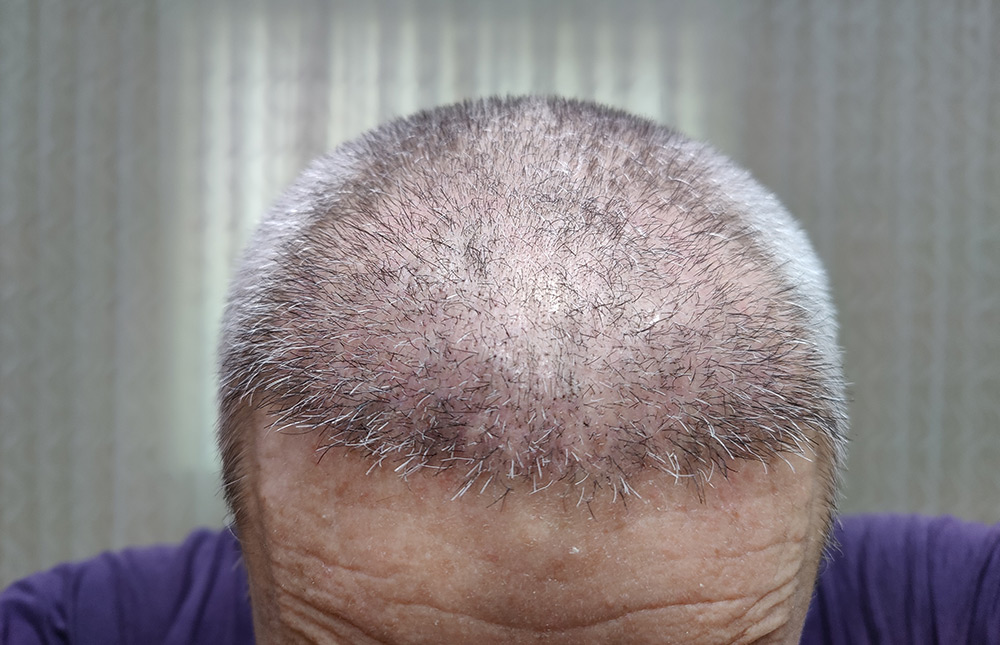
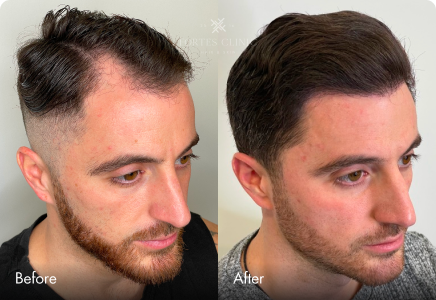
Hair transplant recovery happens in stages, from early scalp healing to gradual growth over the following months.
Days 3 to 7
By days three to seven, the scalp usually begins to feel more comfortable, although the grafted area still needs careful handling. Scabs may become more noticeable, and redness can still be present. The donor area may also feel tight, itchy or sensitive, especially after FUE or FUT.
This is still a delicate part of recovery. Hats, if allowed, should be very loose and only worn for short periods. Anything that presses on the grafts, traps heat, or rubs across the scalp should be avoided. Washing should be gentle and carried out exactly as advised by the clinic.
Weeks 1 to 2
By the end of the second week, the most visible signs of early healing often begin to settle. Scabs usually start to lift, redness may reduce, and the donor area often feels more comfortable. Many people can return to normal daily routines, although timing depends on the type of work, the amount of swelling and how visible the scalp still appears.
Normal hat use is often possible around days 10 to 14, once grafts have anchored and scabs have lifted, but fit and cleanliness still matter. A loose, clean hat is generally safer than a tight beanie or cap that rubs the scalp. If the skin remains irritated, sore or heavily scabbed, it is better to wait and ask the clinic for advice.
Weeks 3 to 4
Weeks three to four can feel like a strange stage because the scalp may look healed, but the hair growth process is still in its early phase. Some transplanted hairs may begin to shed during this period. This is often called shock shedding and can be worrying if you are not expecting it.
Shedding at this stage does not usually mean the grafts have failed. In many cases, the hair shaft sheds while the follicle remains beneath the skin. The area may look thinner again temporarily, but this can be part of the normal cycle before new growth begins later.
Months 2 to 3
Months two to three are often a quieter stage of hair transplant recovery. The scalp usually feels much more settled, but visible growth may still be limited. Some people notice early fine hairs beginning to appear, while others see very little change at this point.
This waiting phase can test patience, but it is a normal part of the process. The follicles are moving through their growth cycle, and early regrowth is not always even. Hair may come through at different speeds across the hairline, mid-scalp or crown.
Months 4 to 6
Between months four and six, new growth often becomes easier to see. Hairs may start off fine, soft, wiry or slightly different in colour or texture compared with surrounding hair. This usually improves as the hair shafts mature.
At six months, many patients can see clear progress, especially around the hairline. However, density is not final. Crown work can develop more slowly than frontal hairline work, and larger sessions may take longer to show even coverage.
Months 6 to 9
Months six to nine are often when the result begins to feel more substantial. More follicles may enter the growth phase, existing new hairs can thicken, and the transplanted area may start to blend more naturally with surrounding hair.
Months 9 to 12 and Beyond
By months nine to twelve, many patients see a more developed result. Hair shafts tend to become thicker, density improves, and styling options may feel more natural. For some patients, especially those with crown-focused work or larger procedures, refinement can continue beyond twelve months.
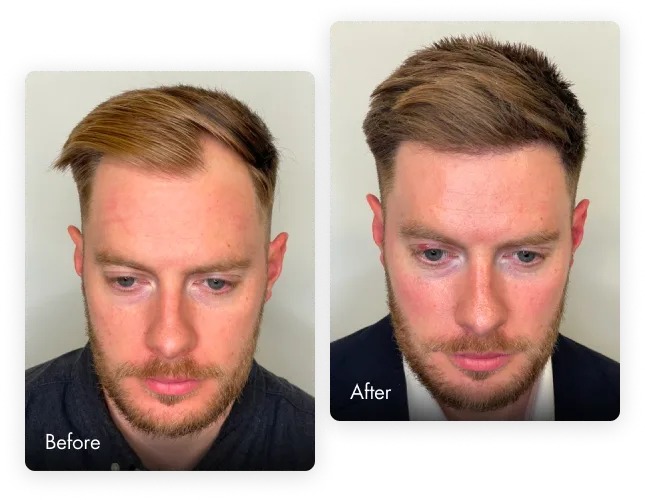
Hair transplant growth usually develops gradually, with visible changes often becoming clearer between six and twelve months.
Why New Hair Growth Takes Time
Hair transplant results take time because transplanted follicles do not all grow at the same speed. After the initial healing phase, some hairs shed before the follicles begin producing new growth. Early hairs can then appear fine, uneven or lighter in texture before gradually thickening.
This is why the six-month stage is important, but not final. It usually gives a useful sign of progress, but density, texture and coverage can continue to improve over the following months. A patient who looks patchy at six months may still see meaningful development by nine to twelve months.
Practical Recovery Tips After a Hair Transplant
Good aftercare cannot force the hair to grow faster, but it can support healing and reduce avoidable irritation. The main aim is to protect the grafts early on, keep the scalp clean and follow the plan given by your clinic.
Helpful recovery tips include:
- Follow your clinic’s washing instructions carefully.
- Avoid picking scabs or scratching the grafted area.
- Sleep with your head elevated during the early recovery period if advised.
- Avoid strenuous exercise until you have been cleared to restart.
- Keep hats loose, clean and breathable during the early stages.
- Avoid tight helmets or headwear until the scalp is ready.
- Protect the scalp from strong sun exposure.
- Avoid smoking where advised, as it may affect healing.
- Attend review appointments and send photos if requested.
- Ask for advice if something feels unusual rather than trying to manage it alone.
What Can Affect Your Recovery?
Hair transplant recovery is not identical for everyone. Some people heal quickly and return to their usual routines within a short period, while others experience longer redness, sensitivity or visible shedding. The technique used, the number of grafts, the area treated, scalp sensitivity, general health and aftercare routine can all influence how recovery feels and how quickly the scalp settles.
Recovery may also be affected by the wider treatment plan. For example, hairline work may become visible earlier than crown work, while larger sessions can take longer to look even. Supportive options, such as hair loss medication or PRP therapy, may be discussed if they are appropriate for your hair loss pattern, medical history and wider treatment goals.
When to Ask Your Clinic for Advice
Some variation during recovery is normal, but it is sensible to contact your clinic if you are unsure about healing or growth. Early advice can help identify whether something is part of the usual process or whether you need a review.
You should ask for advice if you notice:
- Increasing pain, heat or swelling.
- Persistent redness or irritation that is not settling.
- Bleeding after the early recovery period.
- Thick scabs that do not lift as expected.
- Discharge, pus or signs of infection.
- Sudden shedding after new hairs have started to grow.
- Areas with no visible growth when the surrounding areas are developing well.
Looking Beyond the First Few Weeks
Hair transplant recovery is best understood as a gradual process rather than a single milestone. The first two weeks are mainly about healing and graft protection. The following weeks may involve shedding, which can feel unsettling but is often part of the normal cycle. From months three to six, new growth usually becomes more visible, while density and texture continue to develop through months nine to twelve and sometimes beyond.
The most important thing is to follow your aftercare guidance, avoid judging the result too early and keep in contact with your clinic throughout the recovery journey. A well-planned hair transplant procedure should be supported by clear guidance before treatment, careful aftercare and ongoing communication during the months that follow.
Plan Your Hair Transplant Recovery With Fortes Clinic
If you are considering hair transplant surgery, understanding the recovery timeline can help you plan treatment with more confidence. During a private consultation at Fortes Clinic, we can assess your hair loss pattern, explain the most suitable treatment options and talk you through what recovery is likely to involve.
To arrange your consultation, please contact us, and our team will be happy to guide you through the next steps.
FAQs
Is shedding normal after a hair transplant?
Yes, shedding can be a normal part of hair transplant recovery. The transplanted hair shafts may shed in the weeks after treatment, while the follicles remain beneath the skin and begin a new growth cycle later.
When can I wear a hat after a hair transplant?
Some patients may be able to wear a very loose hat from around days five to seven, but normal hat use is often more suitable around days 10 to 14. The hat should be clean, loose and should not rub or press on the grafted area.
How long do scabs last after a hair transplant?
Scabs usually begin to lift during the first one to two weeks, although timing can vary. You should not pick scabs manually, as this can irritate the scalp or disturb healing grafts.
What should I expect 6 months after a hair transplant?
At six months, many patients can see clear growth and early thickening, but the final result is still developing. Density, texture and coverage often continue to improve between months six and twelve.
When will I see the final result after a hair transplant?
Many patients see a more mature result between nine and twelve months after a hair transplant. In some cases, especially crown-focused treatment or larger procedures, improvement may continue beyond twelve months.