What Is A Trichologist?

What Is A Trichologist?

Introduction

Hair is an essential aspect of our identity and self-expression, and it plays a significant role in our overall appearance. When our hair and scalp are healthy, we often take them for granted. However, when hair-related issues arise, they can have a profound impact on our confidence and well-being. This is where trichologists come into the picture. What is a trichologist? These are experts who specialise in the study of hair and scalp health. In this article, we will explore the world of trichology, shedding light on the role of trichologists, the conditions they treat, and the importance of their expertise in maintaining healthy hair.

What Is Trichology?

Trichology is the branch of medical science that focuses on the study of hair and scalp conditions. Trichologists are specialists who have in-depth knowledge and understanding of hair growth, hair loss, and various scalp disorders. They are equipped with the skills to diagnose, treat, and manage a wide range of hair and scalp conditions, providing effective solutions and guidance to individuals seeking help for their hair-related concerns.

The Role of a Trichologist

A trichologist’s primary role is to assess and analyse the health of the hair and scalp. By understanding the underlying causes of hair and scalp disorders, trichologists can provide personalised treatment plans and recommendations for their clients. Let’s delve deeper into the specific responsibilities of trichologists.

Understanding Hair and Scalp Health

Identifying Hair and Scalp Disorders

Trichologists are trained to identify and diagnose various hair and scalp disorders. From common issues like dandruff and psoriasis to more complex conditions such as alopecia, trichologists possess the expertise to recognise the signs and symptoms of these disorders. By conducting a thorough examination and analysis, they can determine the root cause of the problem and develop a suitable treatment plan.

Recommending Treatment Options

Education and Training of Trichologists

To become a trichologist, individuals must undergo rigorous education and training. Trichologists typically hold academic qualifications in fields such as biology, chemistry, or healthcare sciences. They may also acquire professional certifications specific to trichology, which further enhance their knowledge and expertise.

Professional Certifications

Continuing Education

Trichologists understand the importance of staying up to date with the latest advancements in trichology. They engage in continuous professional development, attending seminars, workshops, and conferences to expand their knowledge and keep abreast of emerging research and treatment techniques. By staying current, trichologists can provide the most effective and innovative solutions to their clients.

Common Hair and Scalp Conditions Treated by Trichologists

Hair Loss (Alopecia)

Hair loss is a prevalent concern among individuals of all ages and genders. Trichologists specialise in addressing different types of hair loss conditions, including:
  • Androgenetic Alopecia: This is the most common form of hair loss, often referred to as male or female pattern baldness. Trichologists can provide targeted treatments and interventions to slow down the progression of androgenetic alopecia and promote hair regrowth.
  • Alopecia Areata: This condition is characterised by the sudden loss of hair in patches. Trichologists can help individuals manage alopecia areata through a combination of treatments, including topical medications and lifestyle modifications.
  • Telogen Effluvium: This type of hair loss occurs when a significant number of hair follicles enter the resting phase prematurely. Trichologists can identify the underlying triggers and develop strategies to restore normal hair growth.
  • Traction Alopecia: This condition results from the excessive pulling or tension applied to the hair, leading to hair breakage and thinning. Trichologists can provide guidance on hairstyles and practices that minimise hair damage and promote regrowth.
  • Trichotillomania: A compulsive hair-pulling disorder, trichotillomania can cause noticeable hair loss. Trichologists work closely with individuals suffering from trichotillomania to address the underlying emotional factors and develop coping mechanisms.

Scalp Conditions

In addition to hair loss, trichologists also specialise in the treatment of various scalp conditions that can affect the health and appearance of the hair. Some of the common scalp conditions trichologists deal with include:
  • Dandruff (Seborrheic Dermatitis): This condition is characterised by the sudden loss of hair in patches. Trichologists can help individuals manage alopecia areata through a combination of treatments, including topical medications and lifestyle modifications.
  • Psoriasis: This type of hair loss occurs when a significant number of hair follicles enter the resting phase prematurely. Trichologists can identify the underlying triggers and develop strategies to restore normal hair growth.
  • Eczema: This condition results from the excessive pulling or tension applied to the hair, leading to hair breakage and thinning. Trichologists can provide guidance on hairstyles and practices that minimise hair damage and promote regrowth.
  • Scalp Folliculitis: A compulsive hair-pulling disorder, trichotillomania can cause noticeable hair loss. Trichologists work closely with individuals suffering from trichotillomania to address the underlying emotional factors and develop coping mechanisms.

Trichological Examination and Analysis

Initial Consultation

When visiting a trichologist, the initial consultation is a crucial step in the assessment process. During this consultation, the trichologist will gather information about the client’s medical history, lifestyle, and specific hair concerns. This allows them to gain a comprehensive understanding of the client’s unique situation.

Hair and Scalp Evaluation

After the initial consultation, trichologists conduct a detailed examination of the client’s hair and scalp. They observe the scalp for signs of inflammation, redness, or scaling, and examine the hair strands for texture, thickness, and signs of damage. This evaluation helps trichologists identify any underlying issues and develop an accurate diagnosis.

Microscopic Examination

In certain cases, trichologists may perform a microscopic examination of the hair and scalp. This involves using specialised equipment to magnify the hair and scalp, allowing for a closer inspection of the hair shafts, follicles, and scalp condition. A microscopic examination provides valuable insights into the health and integrity of the hair and scalp, aiding in the diagnosis and treatment planning process.

Diagnostic Tests

In complex cases, trichologists may recommend additional diagnostic tests to further investigate the underlying causes of hair and scalp disorders. These tests may include blood tests, scalp biopsies, or trichograms. By gathering more specific data, trichologists can refine their diagnosis and tailor the treatment plan to the individual’s needs.

Treatment Approaches in Trichology

Non-surgical Treatments

Trichologists employ a variety of non-surgical treatments to address hair and scalp conditions. These treatments may include:
  • Topical Medications: Trichologists may prescribe topical medications, such as minoxidil or corticosteroids, to promote hair growth or manage specific scalp conditions.
  • Nutritional Supplements: Trichologists recognise the importance of nutrition for healthy hair and may recommend specific supplements to address deficiencies or optimise hair growth.
  • Laser Therapy: Low-level laser therapy (LLLT) is a non-invasive treatment option that stimulates hair follicles and improves hair growth. Trichologists may utilise LLLT devices as part of their treatment plans.
  • Mesotherapy: This technique involves injecting a customised blend of vitamins, minerals, and medications into the scalp to promote hair growth and scalp health. Trichologists may administer mesotherapy to individuals experiencing hair loss or scalp conditions.

Surgical Treatments

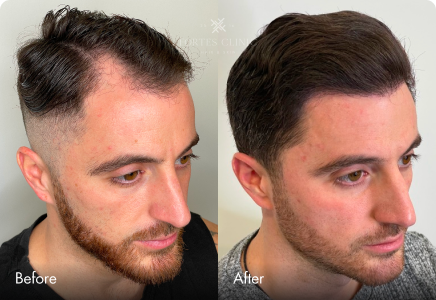
In cases where non-surgical treatments are ineffective or insufficient, trichologists may collaborate with hair transplant surgeons to explore surgical options. The two most common surgical treatments for hair restoration are:
  1. Hair Transplantation: This procedure involves transplanting hair follicles from donor areas to areas experiencing hair loss. Trichologists work closely with hair transplant surgeons to determine the best approach and assist in post-operative care.
  1. Scalp Reduction: Scalp reduction surgery aims to remove areas of bald scalp and tighten the remaining skin to create a more aesthetically pleasing appearance. Trichologists can provide valuable input during the surgical planning process.
Importance of a Multidisciplinary Approach

Collaboration with Dermatologists

Trichologists often collaborate with dermatologists, as many hair and scalp conditions have overlapping features. This multidisciplinary approach ensures that clients receive comprehensive care and access to a wider range of treatment options. Dermatologists can diagnose and treat underlying skin conditions that may contribute to hair loss or scalp disorders, while trichologists focus on the hair-specific aspects of the conditions.

Cooperation with Hair Stylists and Barbers

Trichologists recognise the importance of maintaining healthy hair and scalp between appointments. They often work closely with hair stylists and barbers to ensure that clients receive proper hair care advice and minimise practices that may damage the hair or exacerbate scalp conditions. By establishing this cooperative relationship, trichologists can provide holistic care to their clients.

Communication with Mental Health Professionals

Hair-related concerns can have a significant psychological impact on individuals, affecting their self-esteem and overall well-being. Trichologists understand the emotional aspects associated with hair loss and scalp conditions. They may collaborate with mental health professionals, such as therapists or counselors, to address the psychological effects and provide support throughout the treatment process.

Tips for Choosing a Trichologist

Qualifications and Credentials

When selecting a trichologist, it is essential to ensure they have the necessary qualifications and credentials. Look for professionals who have received academic training in relevant fields and hold certifications specific to trichology.

Experience and Specialisation

Consider the experience and specialization of the trichologist. Look for professionals who have treated a diverse range of hair and scalp conditions and have a proven track record of success.

Reputation and Reviews

Research the reputation of the trichologist by reading reviews and testimonials from previous clients. Positive feedback and recommendations can provide valuable insights into the quality of their services.

Consultation and Communication

Prioritise trichologists who offer thorough consultations and maintain open lines of communication. Effective communication between the trichologist and the client is essential for understanding and addressing individual concerns.

Conclusion

Trichology plays a vital role in the field of hair and scalp health. Trichologists are skilled professionals who specialise in diagnosing and treating various hair and scalp conditions. Their expertise, combined with a multidisciplinary approach, helps individuals regain and maintain healthy hair. By understanding the role of trichologists and following the tips for choosing the right professional, individuals can take proactive steps towards achieving optimal hair and scalp health. Remember, your hair deserves the best care it can get, and trichologists are here to help you along your hair journey.

ABOUT THE AUTHOR

Dr. Ahmad Saaed

Dr Ahmad Saaed is the Founder and Lead Practitioner at Fortes Clinic in London. A qualified hair restoration surgeon and trichologist, Dr Saaed has been a member of the International Society of Hair Restoration Surgery since 2017. With expertise in FUE, FUT, and PRP treatments, he combines surgical precision with artistic hairline design to deliver natural, life-changing results for his patients.

image (29)

Categories

image (28)

Browse our Before & After Gallery

Posted on Google Google
Oggy Boggy profile picture
Oggy Boggy
Google star 1Google star 2Google star 3Google star 4Google star 5Trustindex verifies that the original source of the review is Google.
I’m incredibly happy with my hair transplant results after just five months. The difference has exceeded my expectations, and I couldn’t be happier with the outcome. Everyone at the clinic was friendly, professional, and made me feel comfortable from the initial consultation right through to the procedure and aftercare. They were always happy to answer any questions and made the whole experience stress-free. I would highly recommend this clinic to anyone considering a hair transplant. Thank you to the whole team!
Posted on Google Google
Davit Gevorgyan profile picture
Davit Gevorgyan
Google star 1Google star 2Google star 3Google star 4Google star 5Trustindex verifies that the original source of the review is Google.
Had a transplant done here at the surgery and it’s been a year since and I couldn’t be more happy with the results! Thank you to the team and to Dr Saaed
Posted on Google Google
Edward Wilson profile picture
Edward Wilson
Google star 1Google star 2Google star 3Google star 4Google star 5Trustindex verifies that the original source of the review is Google.
Excellent results from my hair transplant. I cannot recommend more highly. Thank you very much to Dr Saaed and the Fortes Clinic team
Posted on Google Google
Nick Baldwin profile picture
Nick Baldwin
Google star 1Google star 2Google star 3Google star 4Google star 5Trustindex verifies that the original source of the review is Google.
Amazing experience beginning to end - Dr. Ahmed did such an incredible job with my transplant and I wouldn’t be happier!
Posted on Google Google
H Amini profile picture
H Amini
Google star 1Google star 2Google star 3Google star 4Google star 5Trustindex verifies that the original source of the review is Google.
Had my hair transplant done on Thursday — 1,700 grafts for the front corners and crown. The whole experience was genuinely excellent. I even fell asleep for part of it, which says a lot about how comfortable the process was. Dr Ahmad made me feel completely at ease, and the entire team were incredibly caring and attentive throughout the day. Lunch was provided, and having Netflix and music available made the whole experience feel relaxed and stress‑free. Looking forward to sharing an update on my results in around six months. Thanks again, everyone 💙
Posted on Google Google
Christian Oldroyd profile picture
Christian Oldroyd
Google star 1Google star 2Google star 3Google star 4Google star 5Trustindex verifies that the original source of the review is Google.
Incredible natural results and a world class experience!! I had an FUE hair transplant - I cannot recommend Fortis Clinic in London highly enough. I did a lot of research beforehand and even visited Harley Street, but Fortes just had a much better feel. There was no pressure and it didn't feel "salesy" at all; it was clear from the start they just really know what they are doing. One of the best things about them is that they only take one patient per day, so you are the sole focus of the entire team. The communication is excellent; they are so quick to respond to every email and call, which really put me at ease. On the day of the surgery, I was initially quite nervous about the pain, but it was actually very minimal and nothing like I had feared. Dr. Saed is a total expert—so professional and confident that you just know you’re in safe hands. They really look after you throughout the day (the lunch provided was a great touch!) and the aftercare package is spot on. They provide everything from the shampoo to a neck pillow, so you don’t have to worry about a thing once you leave. I’m now two weeks post-op and the results are already better than I ever imagined. The hairline looks incredibly natural, the scabs came off easily, and I had hardly any swelling or lingering pain. They are simply the best. Thank you again to the whole team for everything!
Posted on Google Google
Ismael Sancho profile picture
Ismael Sancho
Google star 1Google star 2Google star 3Google star 4Google star 5Trustindex verifies that the original source of the review is Google.
I had a hair transplant here in January 2025 and it was amazing. I had about 2800 grafts or so (which is quite little) and it made a monumental difference to my hair. Dr Ahmad Saaed was great throughout , I was reassured by him at my initial consultation, where he was knowledgeable but also didn’t pressure me into any decisions. During the procedure Dr Ahmad and his team were also great, I had a largely painless and pleasant experience watching Netflix ! I almost fell asleep at points ! Afterwards, the team at Fortes were again great , and I am extremely happy with my results. I continue going there to receive PRP, which is a testament to how reliable they are ! I would recommend Fortes to anyone needing their relevant services.
Posted on Google Google
Colin Dolan profile picture
Colin Dolan
Google star 1Google star 2Google star 3Google star 4Google star 5Trustindex verifies that the original source of the review is Google.
Absolutely fantastic service. Dr Saeed was extremely professional and results of the treatment were excellent.
Posted on Google Google
haider shubbar profile picture
haider shubbar
Google star 1Google star 2Google star 3Google star 4Google star 5Trustindex verifies that the original source of the review is Google.
I did a hair transplant at this clinic few days ago and just want to share my great experience. From the moment i walked in greeted by Gina's lovely smile to meeting Dr Ahmed for an honest and professional consultation who offered me different options with no pressure. I felt at ease throughout the procedure and a full post care package provided. Thank you once again, i look forward to the results!

Recent Posts

Request a Consultation with Dr Saaed

Begin with a private, clinician-led consultation to discuss suitability, options, and expected outcomes.

THIS IS WHY YOU SHOULD PLAN YOUR HAIR TRANSPLANT FOR THE LONG TERM

Discover the Hair Transplant Principles That Protect Natural Results Over Time

Not all hair transplants are planned the same way.
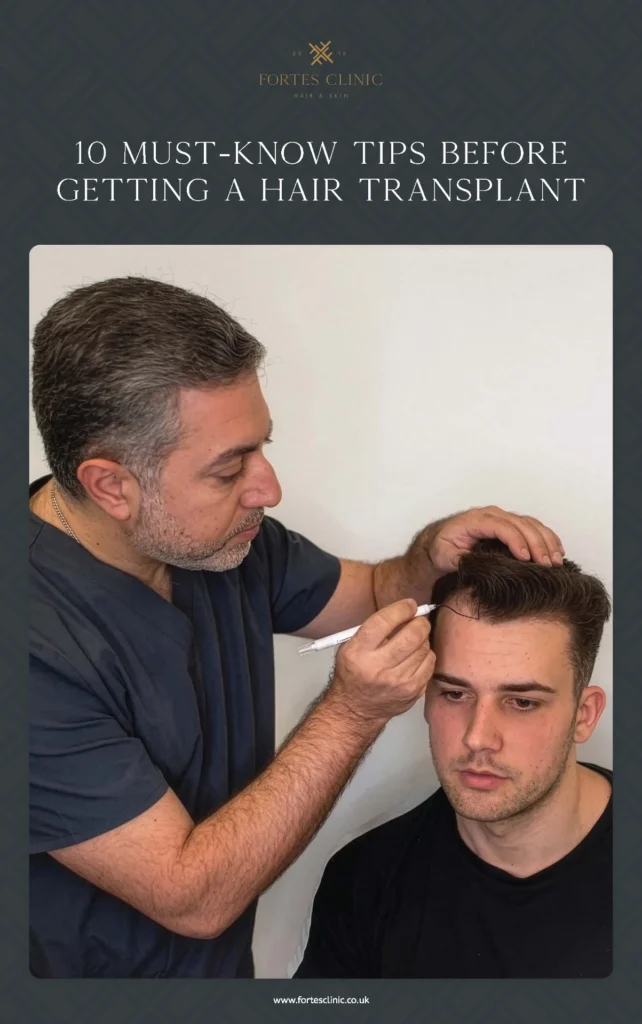
Our free guide explains the 10 essentials every patient should understand before booking, including donor area limits, hairline design, long-term hair loss planning, recovery expectations, and how to choose the right clinic beyond price alone.

10 Must Know Tips Before Getting a Hair Transplant Page 1