

Scalp Micropigmentation London

scalp micropigmentation London, scalp micropigmentation cost London, scalp micropigmentation treatment

Scalp micropigmentation, often shortened to SMP, is a non-surgical cosmetic treatment that places tiny pigment impressions into the scalp to replicate the appearance of natural hair follicles, creating either a closely shaved look or the impression of greater density beneath existing hair.

For men and women considering scalp micropigmentation in London, SMP offers a non-surgical way to reduce the visible contrast created by thinning hair, bald areas or scalp scarring. It uses precisely placed pigment to reproduce the appearance of natural follicle points, creating either a closely shaved effect or the impression of greater density beneath existing hair.

At Fortes Clinic, we provide scalp micropigmentation in London using a consultation-led approach tailored to your skin tone, hair colour and pattern of hair loss. Each treatment is planned to create a natural-looking result rather than a dark, uniform or sharply drawn finish.

What Is Scalp Micropigmentation?

scalp micropigmentation London, natural-looking follicle pigment treatment, shaved hairline effect

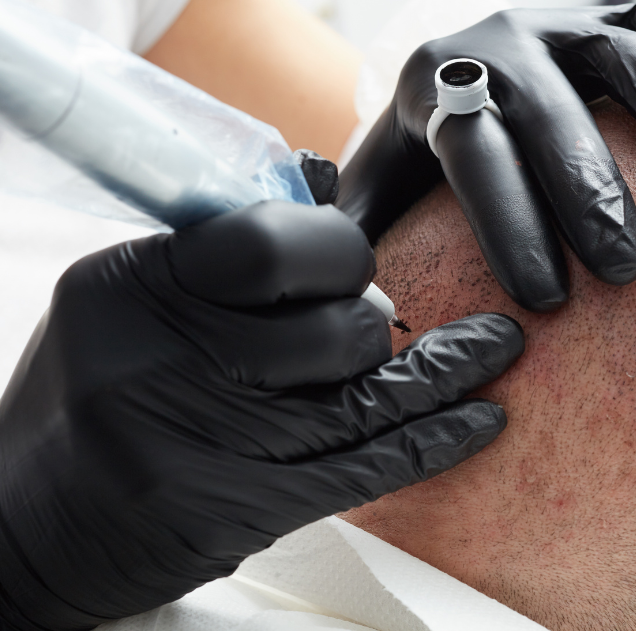
Scalp micropigmentation is a cosmetic treatment in which specialist pigment is deposited into the scalp to imitate the appearance of short hair follicles. The size, spacing and colour of the impressions are adjusted so they sit naturally alongside the surrounding hair or create a realistic shaved-head appearance where little or no hair remains.

Unlike a hair transplant, SMP does not relocate follicles or stimulate new growth. Its purpose is visual: by reducing the difference in colour between the scalp and the hair, it can make thinning look less obvious, define the hairline and help selected scars blend with the surrounding area.

scalp micropigmentation London, natural-looking follicle pigment treatment, shaved hairline effect
scalp micropigmentation London, thinning hair and scalp density treatment

What Can Scalp Micropigmentation Treat?

scalp micropigmentation London, thinning hair and scalp density treatment

SMP can be adapted to different patterns and stages of hair loss in men and women. Depending on the desired result, it may be used for:

  • Receding hairlines
  • Crown thinning
  • Diffuse loss
  • Bald scalp areas
  • FUT strip scars
  • Selected transplant scars

How Does Scalp Micropigmentation Work?

FUE hair transplant London, no linear scarring hair transplant, FUE donor area healing

Your practitioner builds the effect by applying tiny pigment impressions at controlled depths across the treatment area. The placement pattern follows natural follicle distribution, while greyscale colour matching allows the shade to be adjusted for a wide range of complexions and existing hair colours.

The result is developed gradually rather than completed with one heavy application. Layering the pigment over two or three sessions gives the scalp time to settle and allows the practitioner to refine coverage, density and blending as the treatment progresses.

smp

Benefits of Scalp Micropigmentation

SMP can provide a visible cosmetic change without creating new hair or requiring transplant surgery. Its main benefits include:

  • SMP can recreate the appearance of a closely shaved hairline across areas of recession or baldness.
  • Carefully spaced pigment can make the scalp less visible beneath thinning hair.
  • Colour and pattern can be adjusted to complement different skin tones and hair characteristics.
  • Pigment may be used to soften the appearance of suitable scars, including a FUT strip scar.
  • Early improvement can be seen from the first session, with the result refined over subsequent visits.

Who Is Suitable for Scalp Micropigmentation?

Scalp micropigmentation may suit men or women who want to improve the appearance of hair loss without surgery. It can be considered for a shaved style, reduced density beneath longer hair or scar camouflage, provided the scalp is healthy, and the expected cosmetic effect is realistic.

Suitability also depends on the condition and location of the treatment area, skin characteristics and any previous procedures. During consultation, your practitioner will explain what SMP can achieve for your particular pattern and whether another hair restoration option may be more appropriate. If the cause of your hair loss has not been established, it is worth reading the NHS guidance on hair loss and speaking to your GP, since some causes are treatable and SMP addresses the appearance of hair loss rather than the reason for it.

The Scalp Micropigmentation Procedure

SMP is completed in carefully planned stages so that the colour, distribution and density can be refined as the pigment settles. Treatment generally involves two to three sessions spaced approximately one to four weeks apart, although the exact plan depends on the area being treated.

Group 456

Your Scalp Micropigmentation Consultation

Your practitioner examines the scalp, discusses your hair loss and establishes whether SMP is suitable for the effect you want to create. Skin tone, existing hair, scalp condition, previous procedures and any scars are reviewed so that the treatment area and likely outcome can be planned clearly.

Group 456 (1)

Hairline and Density Planning for SMP

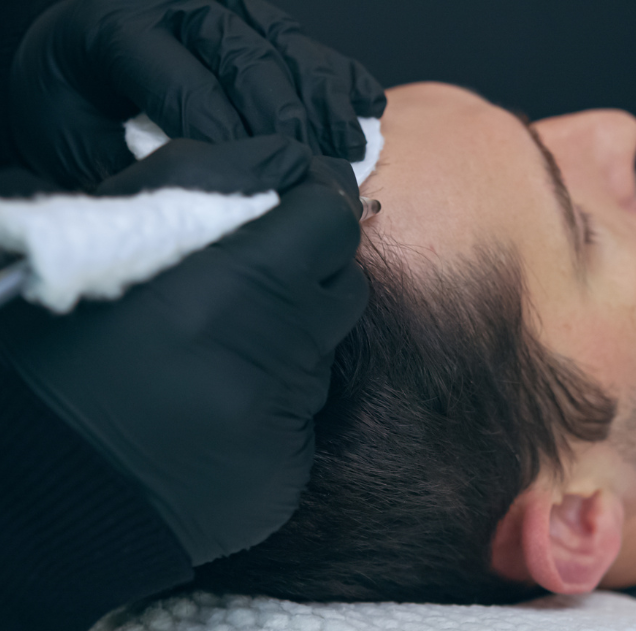
The proposed hairline or density pattern is mapped before pigment is applied. Shape, height, symmetry and the transition into existing hair are considered carefully to create a soft, proportionate outline rather than an unnaturally straight or heavily defined edge.

Group 456 (2)

Your First SMP Pigment Session

The first session establishes the foundation of the result using a carefully selected pigment shade and a controlled distribution of follicle impressions. The initial coverage is kept considered so the skin can settle and the colour can be reviewed before further density is added.

Group 456 (3)

Building SMP Density and Refinement

At the next session, your practitioner assesses how the initial pigment has healed and adds further impressions to build depth and consistency. Spacing, tone and blending are refined across the target area, particularly where SMP needs to integrate with existing hair or a changing density pattern.

Group 456 (4)

Final SMP Balancing Session

A third session is completed, where further refinement is needed. Small adjustments can be made to coverage, hairline balance, scar blending, or the transition between treated and untreated areas, ensuring the overall effect appears even without becoming too dense or uniform.

Group 456 (5)

Scalp Micropigmentation Maintenance and Retouches

SMP is long-lasting, but it is not immune to fading as the skin renews and pigment is affected by time and sun exposure. A retouch is often considered after approximately two to three years, although the timing varies according to skin, lifestyle, pigment retention and personal preference.

Is Scalp Micropigmentation Painful?

Scalp micropigmentation involves repeated contact from a fine needle, so some discomfort should be expected. Most people find the sensation manageable rather than intensely painful, although sensitivity varies between individuals, treatment areas and longer periods of pigment placement.

Your practitioner will explain what to expect before treatment begins and can pause or adjust the pace if an area becomes uncomfortable. The scalp may feel tender and appear red shortly after a session, but these temporary effects should gradually settle as the skin begins to heal.

Scalp Micropigmentation Results, Fading and Maintenance

An initial change is visible after the first appointment, but the finished appearance develops across the full course of treatment and as the scalp settles. Fresh pigment can look stronger at first before softening, which is why colour and density are built conservatively.

Results generally remain visible for several years, although gradual fading is expected. Sun exposure, skin type, immune response and aftercare can affect pigment retention, and a later retouch can refresh areas that have lightened or lost definition.

Scalp Micropigmentation Aftercare

Your practitioner will provide instructions based on the treatment performed and how your scalp responds. During the early healing period, you may be advised to:

  • Keep the scalp dry for the stated period
  • Avoid scratching or picking
  • Pause strenuous exercise
  • Limit steam, saunas and swimming
  • Protect the scalp from direct sunlight
  • Wait before shaving the treated area

How Much Does Scalp Micropigmentation Cost in London?

Scalp micropigmentation at Fortes Clinic is priced according to your individual treatment needs, whether that’s hairline work on a small area or a full shaved-effect treatment carried out across a course of sessions. The cost of scalp micropigmentation in London depends on the size and condition of the treatment area, the level of coverage required and whether the aim is to create a shaved effect, improve the appearance of density or camouflage a scar. Following your consultation, we will provide a clear quotation based on the recommended number of sessions and the complexity of your treatment plan.

smp

Why Choose Fortes Clinic for Scalp Micropigmentation in London?

smp

Successful SMP depends on restraint as much as pigment placement. Fortes Clinic provides treatment in a professional clinical setting, with planning focused on how the colour, spacing and hairline will work with your individual features and any hair that remains.

We tailor each treatment around:

  • Your natural hairline shape and facial proportions
  • Greyscale colour matching for your skin and hair
  • The difference between shaved, density and scar-camouflage results
  • Gradual layering across two or three planned sessions
  • Clear maintenance guidance once the result has settled

Scalp micropigmentation is classed as semi-permanent skin colouring, an activity regulated under Part VIII of the Local Government (Miscellaneous Provisions) Act 1982, with London boroughs applying their own special treatments licensing. Both our premises and our practitioners hold the required registration.

Take the first step towards regaining your confidence and living life to the fullest today.

Comparison of Scalp Micropigmentation (SMP) and Hair Transplantation

CriterionScalp Micropigmentation (SMP)Hair Transplant
What it doesReplicates the appearance of natural hair follicles using specialised micro-pigmentsRelocates healthy hair follicles from donor areas to thinning or bald regions
Surgical statusNon-surgical, non-invasive cosmetic tattooing techniqueMinor surgical procedure (e.g., FUE or FUT techniques)
Sessions requiredTypically 2–4 sessions spaced 1–2 weeks apartUsually 1 main procedure (occasionally 2 depending on graft requirements)
Recovery timeMinimal; slight redness subsides within 24–48 hours7–14 days for scabbing and healing; full results develop over 9–12 months
Real hair growthNo; creates an optical illusion of density or a short shaved lookYes; transplanted follicles continue to grow natural hair
Permanence & retouchingLong-lasting; requires touch-ups every 3–5 years as pigment softensPermanent growth; transplanted follicles generally resist thinning long-term
Ideal candidateIndividuals seeking density illusions, buzz-cut aesthetic, or lacking donor hairIndividuals with adequate donor hair density seeking restored hair growth and length

Meet Dr. Ahmad Saaed

wj6IKWgjFu2z2SE6aTyadj1n8Eh4XjFs 1

FOUNDER / LEAD PRACTITIONER

Dr Saaed graduated from Medical school with a degree in Medicine and Surgery (MBChB) in 1997, later specialising as an Anaesthetist. He then trained professionally as a hair surgeon and trichologist and has been a member of the International Society of Hair Restoration Surgery since 2017. Dr Saaed has qualified in PRP Treatment with Dr Danial Sister, a renowned specialist in PRP and an author of the book “Platelet Rich Plasma, The New Frontier in Regenerative and Aesthetic Medicine”.

Book a Consultation for Scalp Micropigmentation in London

If you are considering scalp micropigmentation in London, a consultation gives you the opportunity to discuss the result you want and see how SMP could be adapted to your scalp, skin tone and hair loss pattern. Your practitioner will assess suitability, explain the treatment stages and provide realistic guidance about coverage, maintenance and cost. Contact Fortes Clinic to arrange your appointment.

Contact Fortes Clinic

Email: hello@fortesclinic.co.uk
Phone: 020 7286 0000 or 07561 422719
Online Booking Form
Location: Fortes Clinic, 22 Clifton Road, Little Venice, London, W9 1ST

Frequently Asked Questions

Does scalp micropigmentation damage hair follicles?

When scalp micropigmentation is performed correctly, the pigment is placed without targeting the hair follicles and should not interfere with existing hair growth. Practitioner training and controlled pigment depth are important, as poor technique can cause unnecessary trauma to the skin.

Scalp micropigmentation is considered long-lasting rather than fully permanent. The pigment gradually softens and fades, so a retouch may be chosen after several years to refresh the appearance.

Yes, gradual fading is expected as the skin changes and the pigment is affected by factors such as sun exposure and individual skin characteristics. Appropriate aftercare and sun protection can help maintain the result, but they cannot prevent all fading.

Whether SMP is worth it depends on the result you want to achieve. It can create a closely shaved appearance, reduce visible scalp contrast or camouflage a suitable scar, but it will not stop hair loss or produce new growth.

SMP is considered safe when performed by a trained practitioner using sterile equipment, appropriate pigments and controlled techniques. Temporary redness or tenderness can occur, while poor hygiene or incorrect pigment placement can increase the risk of infection, irritation or an uneven result.

It can be used beneath longer hair to reduce the contrast where the scalp shows through, particularly in areas of diffuse thinning. It does not thicken individual hairs, so the likely improvement depends on how much hair remains and the distribution of the loss.

SMP can cause some discomfort, particularly across more sensitive areas of the scalp, but most people find the treatment manageable. Sensation varies between individuals, and your practitioner can pause or adjust the pace where needed.

Treatment is generally completed over two or three sessions, allowing colour and density to be built in controlled layers. Sessions are typically separated by approximately one to four weeks so the scalp and pigment can settle between appointments.

Yes, SMP may be used to reduce scalp contrast or camouflage a suitable donor scar after a hair transplant. Timing and placement should be planned carefully so the scalp has healed and the pigment complements the transplanted and existing hair.

Request a Consultation with Dr Saaed

Begin with a private, clinician-led consultation to discuss suitability, options, and expected outcomes.

THIS IS WHY YOU SHOULD PLAN YOUR HAIR TRANSPLANT FOR THE LONG TERM

Discover the Hair Transplant Principles That Protect Natural Results Over Time

Not all hair transplants are planned the same way.
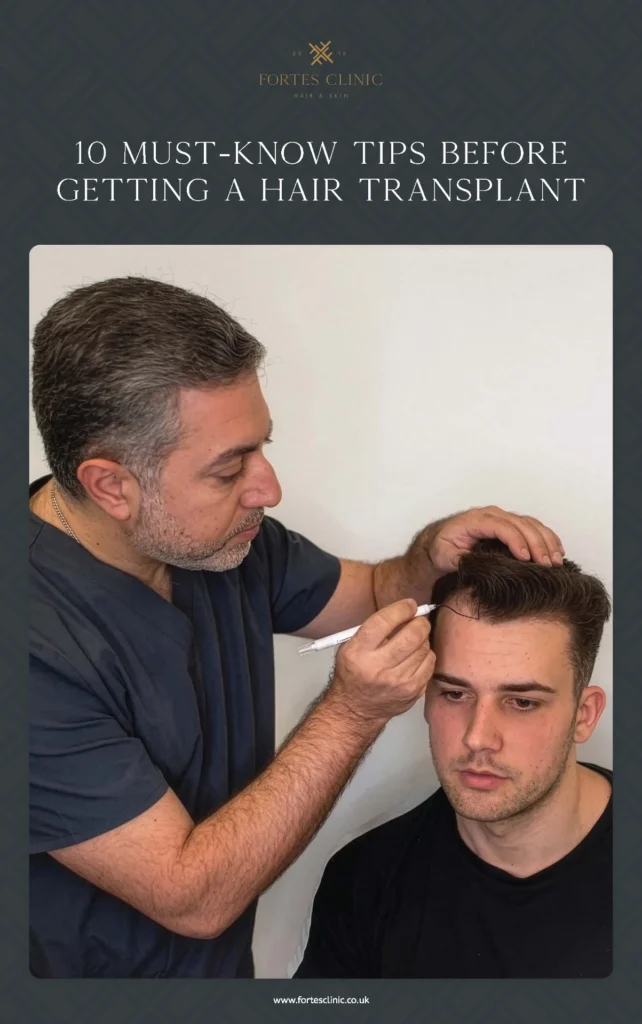
Our free guide explains the 10 essentials every patient should understand before booking, including donor area limits, hairline design, long-term hair loss planning, recovery expectations, and how to choose the right clinic beyond price alone.

10 Must Know Tips Before Getting a Hair Transplant Page 1