Choosing Carefully Can Shape Your Result
A hair transplant is not only about moving grafts from one area of the scalp to another. The quality of the result depends on diagnosis, planning, donor area management, hairline design, graft handling and aftercare. This is why choosing the right clinic matters.
For anyone researching treatment, knowing how to choose the right hair transplant clinic can be challenging when many providers appear to offer similar services. Price, location and online reviews may all play a part, but they should not be the only factors. The most important question is whether the clinic can accurately assess your hair loss, clearly explain your options and plan treatment around your long-term needs.
Start With the Surgeon’s Experience
The surgeon’s experience is one of the most important factors when choosing a hair transplant clinic. Hair restoration requires technical skill, but it also requires judgement around hair loss patterns, donor limitations, graft survival and how the result may look in the future.
It is worth checking the surgeon’s qualifications, training and experience in hair transplant surgery specifically. A clinic should also be able to explain who carries out each stage of treatment, who designs the hairline and who is responsible for your surgical plan.
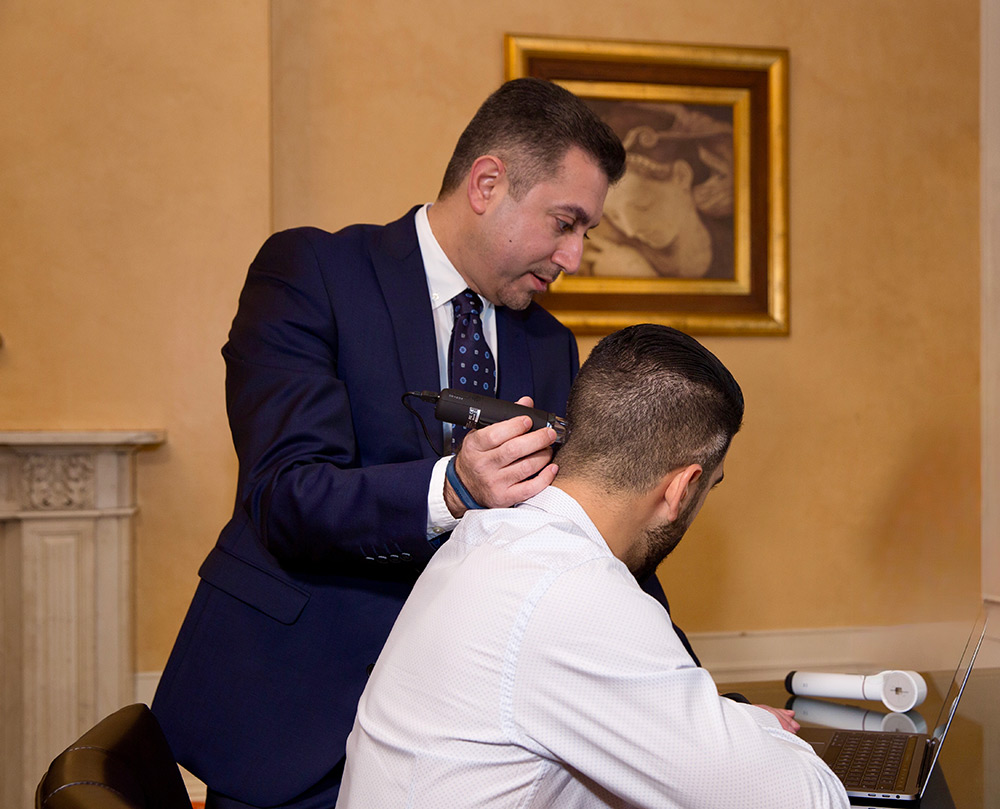
Choosing the right hair transplant clinic should involve more than comparing prices or location alone.
Look for a Proper Consultation, Not a Sales Process
A good consultation should feel informative rather than pressured. You should have time to discuss your hair loss history, medical background, previous treatments, expectations and concerns. The clinic should examine your donor area, assess the pattern of thinning and explain whether hair transplant surgery is suitable.
A proper consultation should also include an honest discussion of limitations. Not everyone is ready for surgery, and not every case can be treated in one session. If hair loss medication, PRP, monitoring or a staged approach would be more appropriate, that should be explained clearly. A clinic that pushes one option too quickly may not be taking enough time to understand the full picture.
Ask How the Hairline and Donor Area Will Be Planned
Natural-looking results depend heavily on planning. The hairline needs to suit the individual’s age, facial features, hair type and likely future hair loss. A hairline that looks too low, too dense or too straight can appear unnatural, even if the grafts survive well.
Donor area management is just as important. Donor hair is limited, so it needs to be used carefully. Taking too many grafts from one area can affect the appearance of the donor site and may reduce options for future treatment. A well-planned procedure should consider not only what can be achieved now, but also what may be needed later.
Understand the Techniques the Clinic Offers
Different hair transplant techniques may suit different people. FUE involves removing individual follicular units from the donor area, while FUT involves removing a strip of hair-bearing tissue that is then divided into grafts. In some cases, a combined FUE and FUT approach may be discussed when higher graft numbers are needed.
The right clinic should explain why a particular technique is being recommended. One method should not be presented as the best option for everyone. Suitability depends on donor area quality, hair loss pattern, graft requirements, scarring preferences, hairstyle and long-term planning.
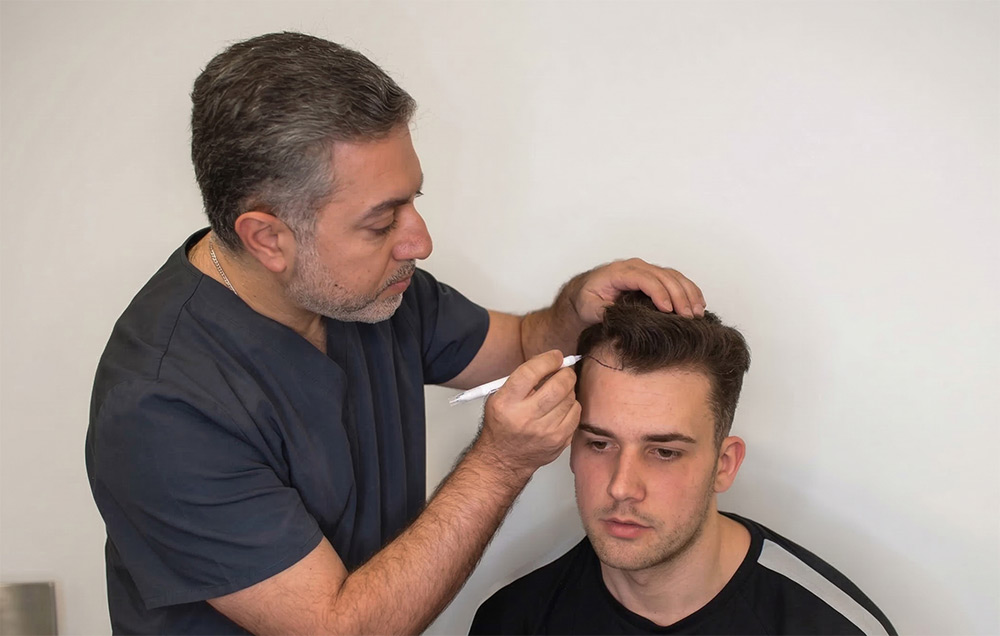
A detailed consultation should assess your hair loss pattern, donor area and suitability before treatment is planned.
Review Results, Testimonials and Patient Feedback Carefully
Before-and-after photographs can be useful, but they should be reviewed carefully. Look for results that show similar hair loss patterns, hair type, graft numbers or treatment goals to your own and pay attention to whether the result looks natural, balanced and age-appropriate.
Testimonials and reviews can also help you understand how a clinic communicates and supports people through treatment. Look for patterns in feedback around consultation quality, aftercare, transparency and the overall experience, rather than relying on individual ratings alone.
Make Sure Costs and Expectations Are Clear
Hair transplant costs can vary depending on the number of grafts required, the technique used, the surgeon’s involvement and what is included in the package. Before booking, ask whether consultation, surgery, medication, aftercare products, follow-up appointments and review support are included or charged separately.
A good clinic should also explain what can realistically be achieved. A low price may seem appealing, but it should be considered alongside the quality of planning, aftercare and whether the proposed result is possible with your donor area and hair loss pattern.
Ask About Aftercare and Follow-Up Support
Hair transplant care does not end when the procedure is finished. The early recovery period requires clear instructions on washing, sleeping, exercise, hats and scalp care. Longer-term follow-up can also help monitor growth, shedding and the development of density over time.
A good clinic should explain what support is available after treatment and when follow-up appointments may take place. You should know who to contact if you have concerns during recovery and what to expect in the first few weeks and months.
Questions to Ask Before Choosing a Hair Transplant Clinic
The right questions can help you understand whether a clinic is taking a careful, personalised approach. Before making a decision, you may want to ask:
- Who will assess my suitability for treatment?
- Who will design my hairline?
- Who performs each stage of the procedure?
- Which technique is being recommended and why?
- How many grafts are needed, and how has this been calculated?
- What are the limitations of my donor area?
- What result is realistic for my hair loss pattern?
- What is included in the quoted price?
- What aftercare and follow-up support will I receive?
- What happens if I have concerns after treatment?
Choosing a Clinic With the Long Term in Mind
A hair transplant should be planned with the future in mind. Hair loss can continue after surgery, which means the clinic needs to think beyond the immediate result. The best treatment plan is not always the one that uses the most grafts or creates the lowest hairline. It is the one that protects the donor area, supports natural-looking coverage and keeps future options open.
Fortes Clinic is based in Little Venice, close to London’s Harley Street medical district and provides a discreet setting for consultation, treatment and follow-up care. Our approach is centred on careful assessment, clear planning and honest guidance, so each person can understand what is suitable before deciding whether to proceed.
Discuss Your Hair Transplant Options With Fortes Clinic
If you are considering hair transplant surgery, a private consultation can help you understand your options and what may be suitable for your hair loss pattern. During your appointment at Fortes Clinic, we can assess your donor area, discuss your goals and explain whether FUE, FUT, a combined approach, or another treatment plan may be appropriate.
To arrange your consultation, please contact us, and our team will be happy to guide you through the next steps.
FAQs
How do I know if a hair transplant clinic is reputable?
A reputable hair transplant clinic should provide clear information about the surgeon, consultation process, treatment planning, pricing and aftercare. It should also explain limitations honestly and avoid pressuring you into a quick decision.
What should I ask at a hair transplant consultation?
Useful questions include who will design the hairline, who performs the procedure, how many grafts are recommended, what technique is being advised and what aftercare is included. You should also ask what result is realistic for your hair loss pattern.
Should I choose a hair transplant clinic based on price?
Price is important, but it should not be the only factor. A very low quote may not include the same level of planning, surgeon involvement, aftercare or follow-up support. It is better to compare what is included rather than looking only at the headline cost.
Why is donor area planning important?
The donor area contains a limited supply of hair that can be moved safely. Poor planning can affect the appearance of the donor site and reduce options for future treatment, so graft numbers and extraction patterns need to be considered carefully.
Should I look at before-and-after photos before choosing a clinic?
Yes, before-and-after photos can be helpful, especially when they show cases similar to your own hair type, pattern of loss or treatment goals. They should be reviewed alongside consultation quality, aftercare and the clinic’s overall approach.